There is a particular kind of satisfaction that comes from having someone walk into your home, look around at what you have created, and assume it cost significantly more than it actually did. It is not about deceiving anyone. It is about proving to yourself and to everyone who visits that good taste, thoughtful styling, and a clear vision matter infinitely more than a big budget when it comes to creating a home that feels genuinely beautiful and genuinely considered.
The idea that expensive looking interiors require expensive budgets is one of the most persistent and most damaging myths in home decor. In reality the qualities that make a home look expensive, cohesion, intention, quality of light, the right scale, natural materials, and careful editing, are all achievable at any price point. The difference between a home that looks expensive and one that looks cheap is almost never the cost of individual items. It is the quality of the decisions made about how those items are chosen, arranged, and styled together.
In this blog we are sharing 10 affordable home decor ideas that genuinely look expensive in 2026. These are ideas that real people are using right now to create homes that consistently impress and inspire, not because of what was spent but because of how thoughtfully every decision was made. Whether you are decorating a first apartment on a tight budget or simply want to get more visual impact from what you already have, these ideas are going to change the way you think about affordable home decor. Let us get into it.
1: Invest in One Statement Piece That Anchors the Room
One of the most common mistakes people make when decorating on a budget is spreading their money thinly across many mediocre pieces rather than concentrating it on one genuinely impressive piece that becomes the defining element of the room. A single statement piece, whether a beautiful oversized mirror, a stunning pendant light, a large piece of art, or a sculptural floor lamp, has the power to anchor an entire room and make everything around it look more considered and more expensive, even when everything else was bought on a shoestring.
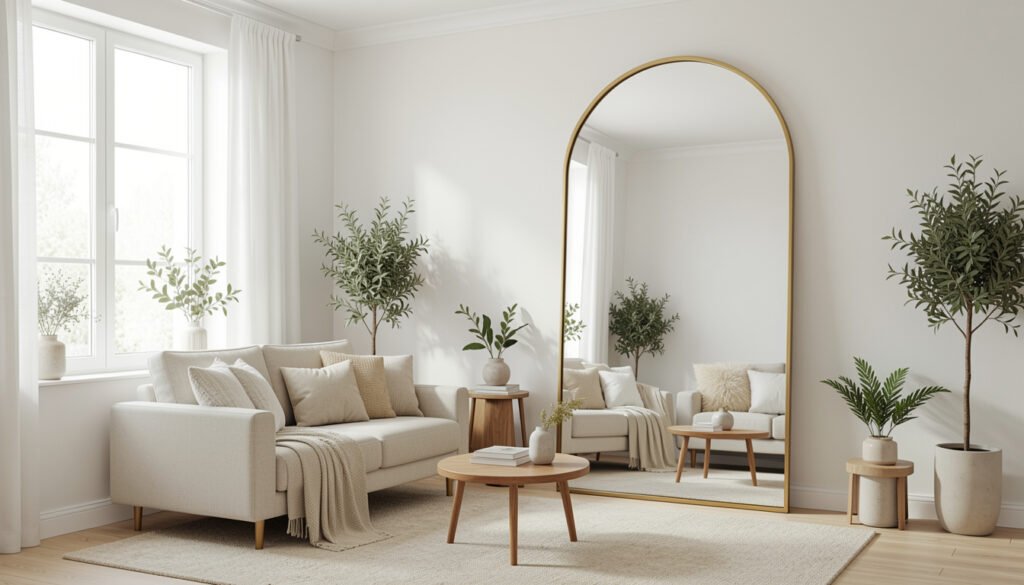
The statement piece principle works because of how the eye processes a room. When you walk into a space the eye searches immediately for a focal point, something to land on and organize the rest of the visual experience around. A room with a strong statement piece gives the eye exactly what it needs and the impression of quality and intention that the statement piece creates extends outward to influence how everything else in the room is perceived. A cheap side table beside a genuinely beautiful statement lamp looks more considered than the same side table in a room with no focal element at all.
The key is to be genuinely selective about which statement piece you choose. It should be the piece that you are most drawn to, the one that most clearly reflects the overall aesthetic direction you want the room to take, and the one that will still feel right to you in several years time rather than the one that simply seems most impressive in the moment.
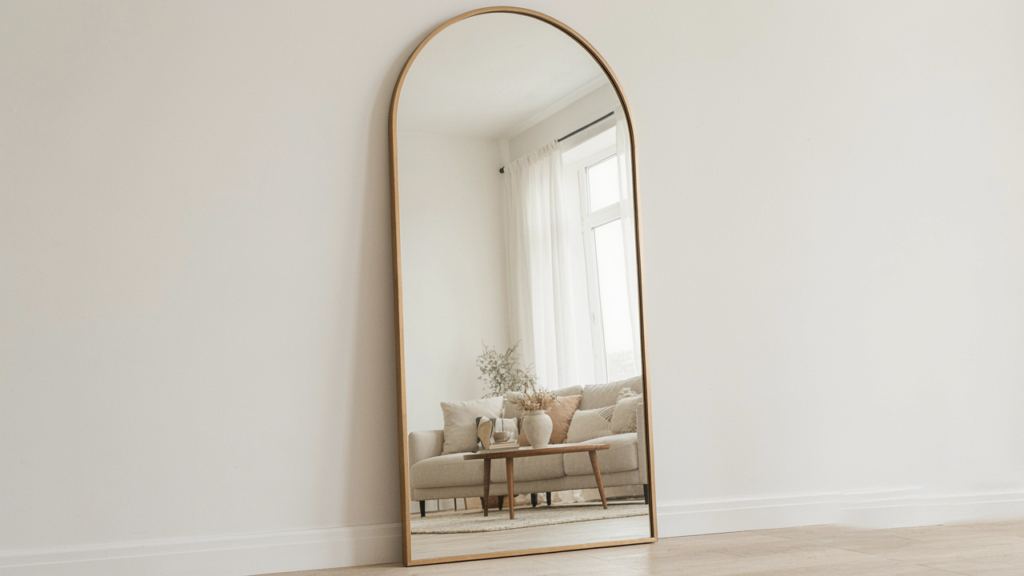
Pro Tip: When budget is limited choose quality over quantity without hesitation. One genuinely beautiful statement piece bought at the right price point will do more for the overall look and feel of a room than five mediocre pieces bought for the same total spend. The discipline of choosing one thing and choosing it well is the foundation of a home that consistently looks more expensive than it actually is.
2: Use Large Scale Art to Transform Bare Walls
Nothing communicates that a home is thoughtfully designed quite like art on the walls, and nothing makes a room look more obviously unfinished than bare walls with no visual interest at all. But original art can be expensive and even affordable prints can add up quickly when you need to fill multiple walls in multiple rooms. The solution in 2026 is using large scale downloadable and printable art that can be printed at a local print shop for a few dollars and framed affordably to create a genuinely impressive wall moment for very little money.
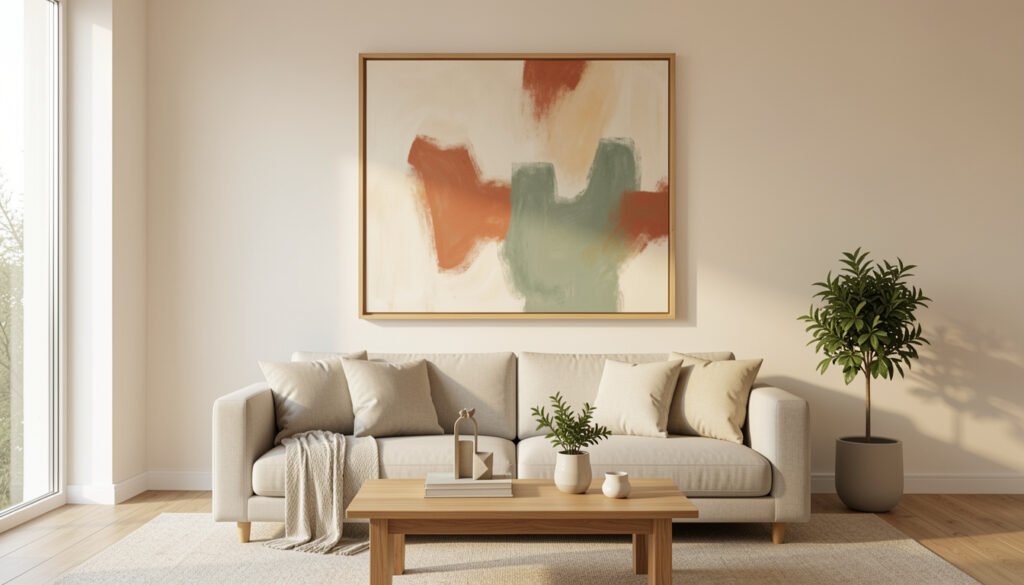
The key insight here is that scale matters far more than price when it comes to wall art. A single large canvas or print in a simple float frame or a clean white border frame makes a significantly more expensive and more considered impression than several small prints hung together at the same height. Large art makes a wall feel like it recedes further away, creating a sense of depth and spaciousness that small art simply cannot achieve, and it communicates a level of confidence and intention that immediately reads as sophisticated and considered.
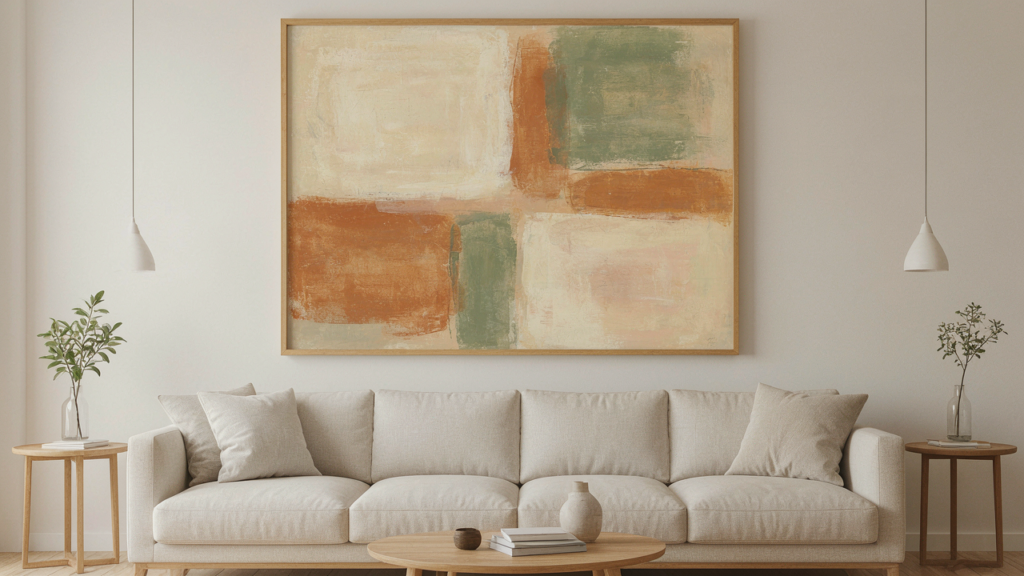
Pro Tip: Print your chosen art slightly larger than the frame size you have available and use a simple white mat board to create a clean border around the image inside the frame. This matting technique immediately gives affordable prints a gallery quality presentation that makes them look significantly more expensive and more considered than a print that fills the frame edge to edge without any border.
3: Decant Everything Into Beautiful Containers and Vessels
One of the most immediately effective and most consistently underused tricks for making a home look more expensive is decanting everyday items from their original branded packaging into simple, beautiful containers and vessels. This single habit, applied consistently throughout the home, removes the visual noise of commercial packaging and replaces it with a calm, cohesive, and genuinely considered aesthetic that immediately elevates the look of every surface it touches.
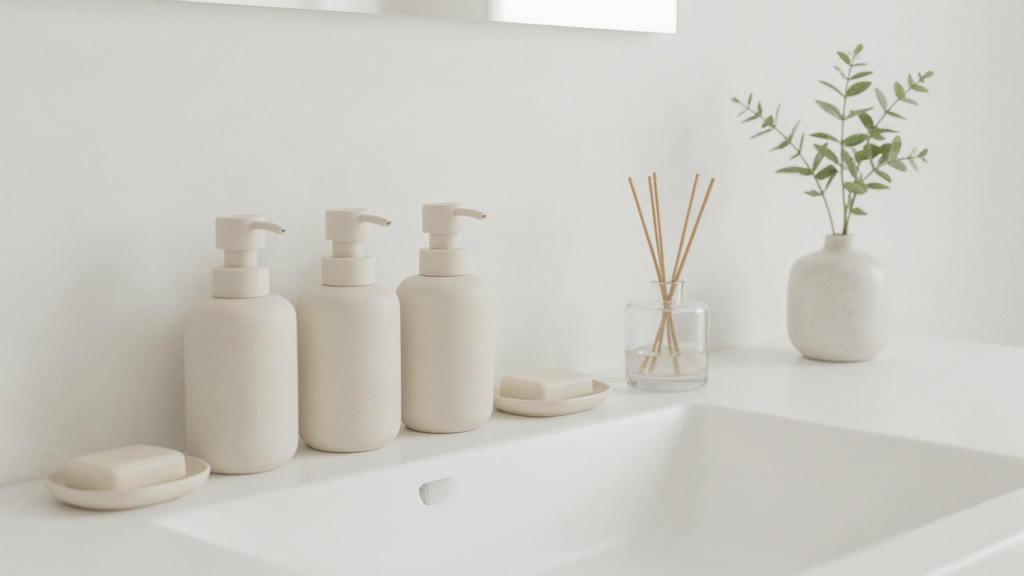
The principle is simple. Branded bottles, boxes, and packages are designed to attract attention on a store shelf, which means they are almost always visually loud, colorful, and competing for attention in a way that works directly against the calm, cohesive quality that makes a home look expensive. Decanting those same products into simple ceramic, glass, or brushed metal containers instantly removes that visual noise and replaces it with a unified, spa like quality that feels genuinely luxurious.
In a bathroom the transformation is perhaps most dramatic. A collection of branded shampoo, conditioner, and body wash bottles replaced by simple ceramic or frosted glass pump dispensers in matching sizes creates an immediate and striking hotel bathroom quality that costs very little to achieve. In a kitchen, loose teas, coffees, and dry goods decanted into simple glass jars with clean labels create a pantry aesthetic that looks incredibly considered and expensive. In a living room, a collection of simple ceramic vessels holding items like remote controls, candles, and small accessories replaces the visual clutter of mismatched everyday items with a gallery quality still life.

Pro Tip: When decanting, commit to consistency across an entire room or area rather than decanting some items and leaving others in their original packaging. The visual impact of decanting comes from the uniformity and calm that results when every visible container belongs to the same visual family. A single branded bottle left among beautiful ceramic dispensers undermines the entire effect.
4: Style With Fresh Flowers and Botanicals for Instant Luxury
Fresh flowers have an almost unparalleled ability to make a home feel luxurious, cared for, and genuinely alive in a way that no manufactured decor item can fully replicate. A simple bunch of flowers placed in the right vessel in the right spot transforms the energy of a room instantly and communicates a level of daily care and attention to the home that immediately reads as sophisticated and expensive regardless of how much the flowers themselves actually cost.
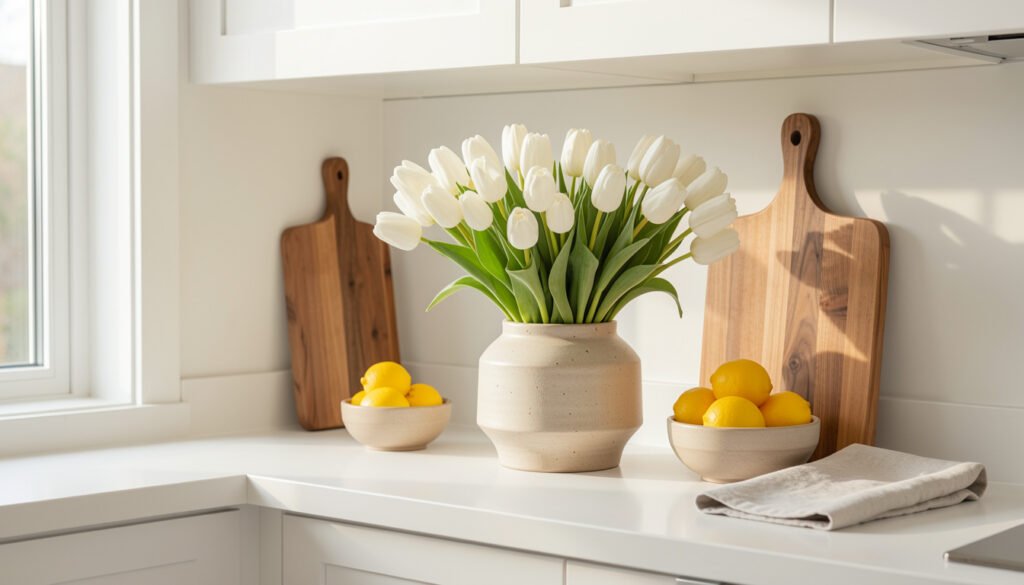
The secret to using flowers effectively for an expensive looking result is not the cost or rarity of the blooms but the vessel they are placed in and the intentionality of the placement. A generous bunch of simple white tulips in a beautiful chunky ceramic vase makes a significantly more expensive impression than an elaborate bouquet in a generic plastic wrapped supermarket vase. The vessel is often more important than the flowers themselves in determining how luxurious the overall display feels.
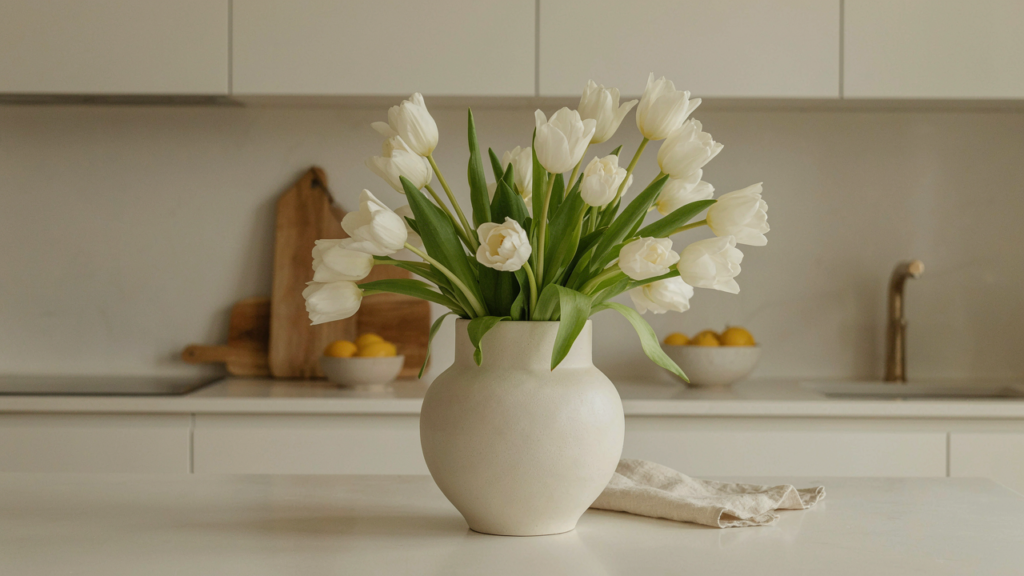
Pro Tip: Buy supermarket flowers on the day they are first put out, usually early in the week, and condition them properly by cutting the stems at an angle and placing them in clean water for several hours before arranging them. Properly conditioned supermarket flowers last significantly longer and look significantly more luxurious than flowers bought later in the week when they have already been sitting in poor conditions for days.
5: Layer Lighting for a Rich and Expensive Atmosphere
The single biggest difference between a home that looks expensive and one that does not is very often nothing more than the quality of the lighting. Expensive homes and luxury hotels do not rely on single overhead lights flooding a room with flat, even illumination. They use carefully layered combinations of light sources at different heights and intensities to create a warm, dimensional, atmospheric quality of light that makes every surface, every textile, and every object in the room look richer, warmer, and more beautiful than it would under standard overhead lighting.
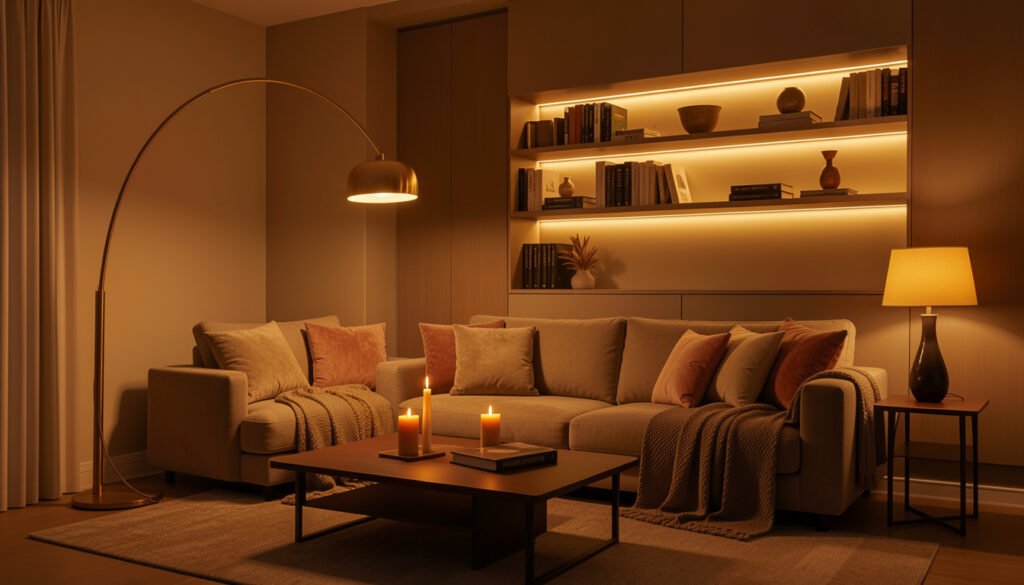
The good news is that layered lighting costs very little to achieve. Swapping out a single overhead light for multiple affordable lamps is significantly less expensive than replacing furniture or repainting walls, and the effect on how the whole room feels is disproportionately large. A floor lamp in one corner, a table lamp on a side table, candles on the coffee table, and soft accent lights on a shelf create a quality of warmth and intimacy that immediately makes a room feel more considered and more luxurious.
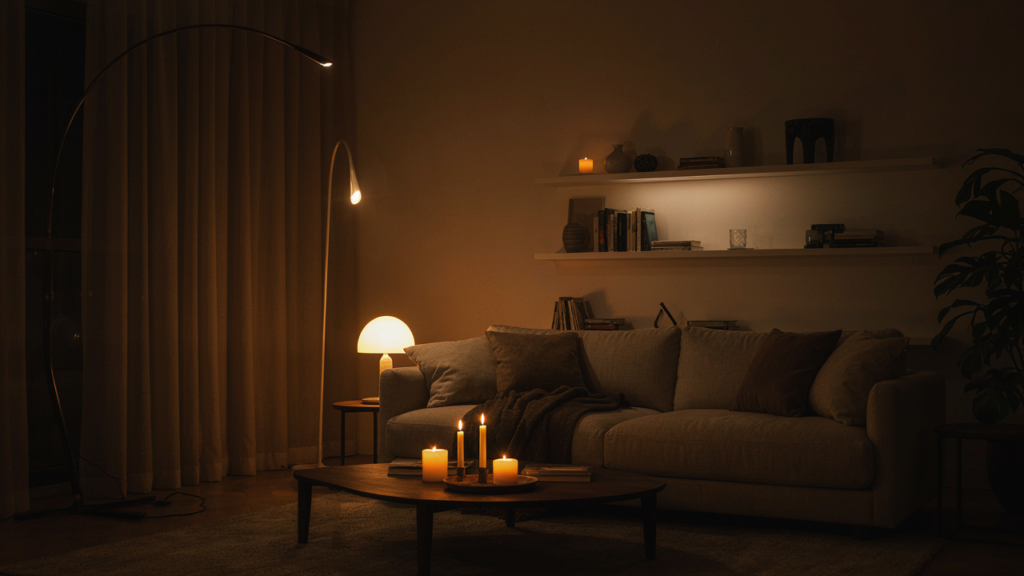
Pro Tip: Never use more than one cool white or daylight bulb in any living space of your home. Cool white light makes rooms feel clinical, washes out warm colors and textures, and works directly against the warm, rich quality of light that makes a home look and feel expensive. Replacing every bulb in the home with warm white equivalents is one of the cheapest and most immediately impactful changes you can make to the overall atmosphere of your living spaces.
6: Choose a Cohesive Color Palette and Stick to It
One of the clearest visual signals that a home has been thoughtfully designed rather than randomly assembled is a cohesive color palette that runs consistently through every room and every element of the space. Expensive looking interiors are almost always built around a clear, intentional color story where every wall color, every furniture piece, every textile, and every accessory belongs to the same family of tones and feels like a deliberate part of a unified whole rather than an individual purchase made in isolation.
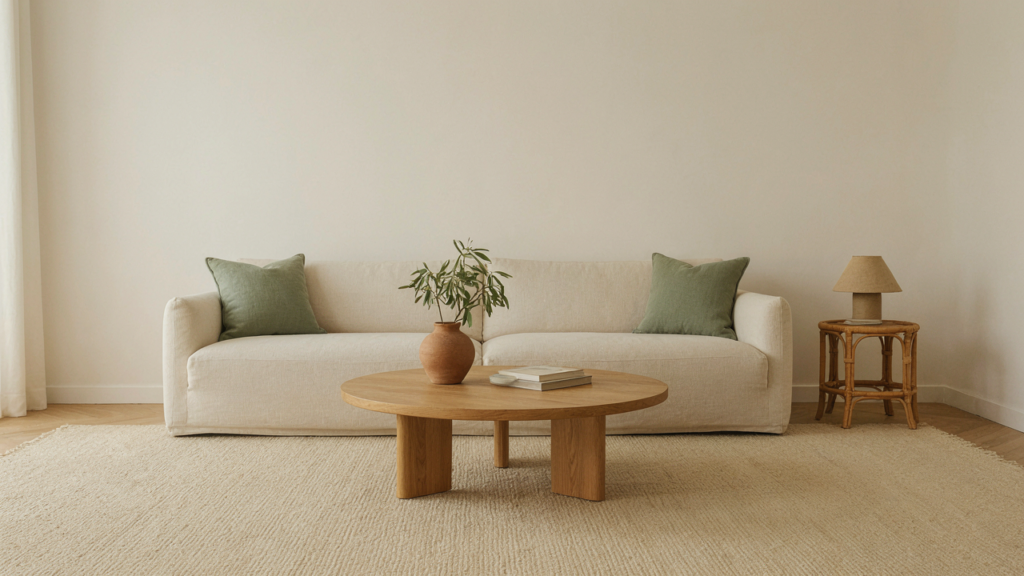
The absence of a cohesive color palette is one of the most common and most immediately noticeable characteristics of a home that looks cheap or undesigned. When each room has a different color scheme, when furniture in different colors compete for attention within the same space, or when accessories in clashing tones sit side by side without any connecting color thread, the home feels visually chaotic and unresolved in a way that no amount of individual quality can overcome.

Pro Tip: Before buying any new home decor item, hold it against or photograph it alongside something that is already in the room it is intended for. If the colors feel harmonious and connected the item belongs in your home. If something feels off or competing even when you cannot quite articulate why trust that instinct and keep looking. Your eye knows when colors work together and when they do not long before your conscious mind can explain it.
7: Add Crown Molding and Architectural Details With Paint
One of the most consistent differences between an expensive home and an affordable one is the presence of architectural details. Crown molding, picture rails, dado rails, ceiling roses, and decorative paneling all communicate a quality of construction and a level of care and craftsmanship that immediately makes a space feel more substantial, more considered, and more expensive. The problem is that real architectural molding can be costly to install and in a rental property it is simply not an option at all.
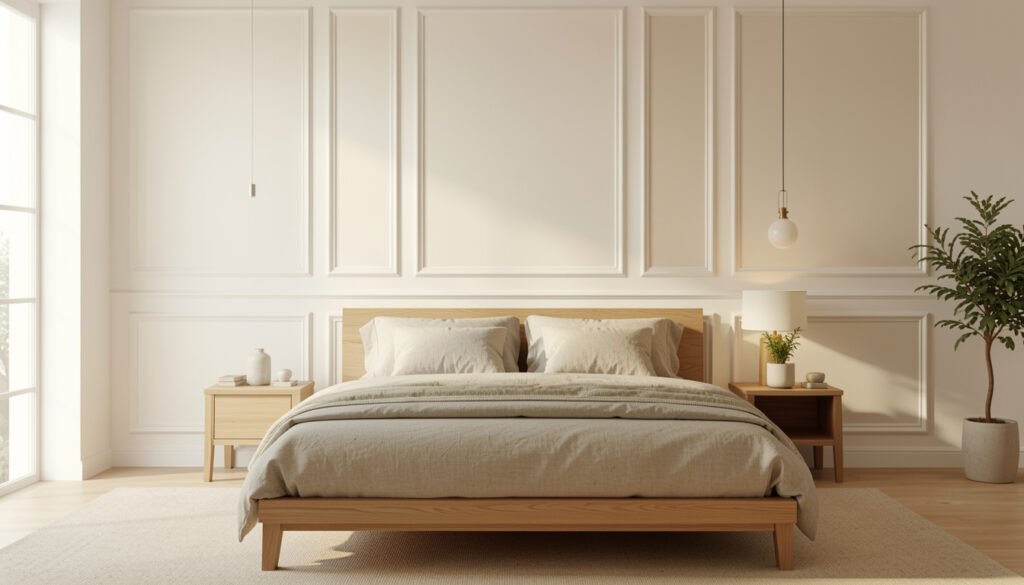
Paint however, costs very little and in the hands of someone with a steady hand and a clear vision can create the impression of architectural detail with remarkable effectiveness. A painted panel effect on a bedroom or living room wall, created using simple painter’s tape to define the borders of rectangular or square panels and then painting within or around them in a slightly different tone or finish to the surrounding wall, creates an immediate and striking impression of real paneling at a fraction of the cost.
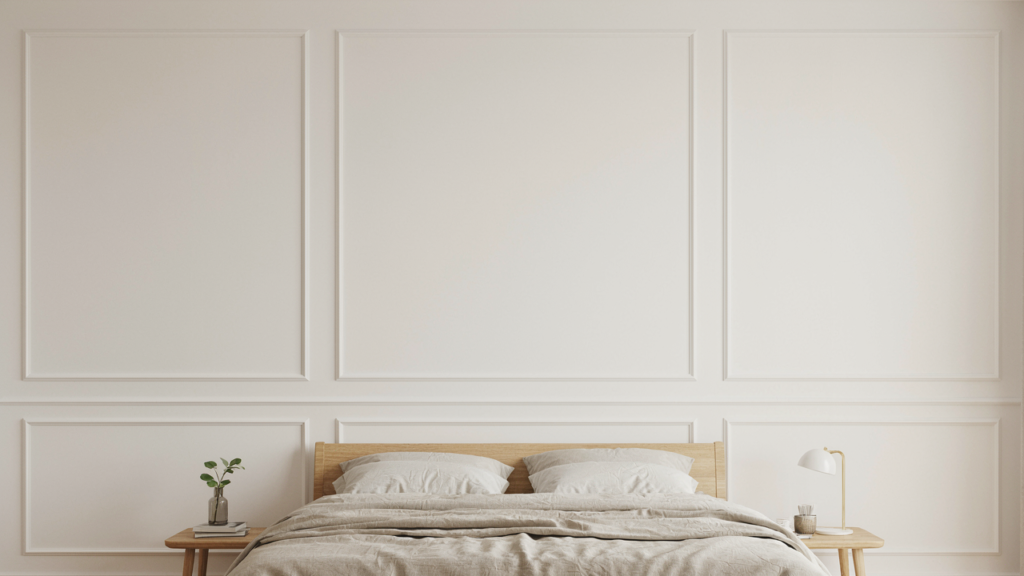
Pro Tip: Use high quality painter’s tape and press the edges down firmly before painting to get the sharpest possible lines for your painted architectural details. Remove the tape while the paint is still slightly wet rather than waiting for it to dry completely, peeling it back at a forty five degree angle for the cleanest possible edge. Sharp, precise lines are what separate a painted detail that looks genuinely architectural from one that looks like a craft project.
8: Upgrade Your Soft Furnishings to Natural Fabrics
The fabric quality of the soft furnishings in a home, the cushion covers, the curtains, the throws, the bedding, and the upholstery, is one of the most immediately perceptible indicators of quality and expense to anyone who enters the space, often at a subconscious level that they cannot fully articulate. Synthetic fabrics in cheap polyester or acrylic have a flat, slightly shiny quality that reads as inexpensive even when the color and pattern are attractive. Natural fabrics like linen, cotton, wool, velvet, and bouclé have a depth, texture, and drape that immediately communicates quality and expense.

The upgrade from synthetic to natural fabric soft furnishings does not need to be expensive or all encompassing. Swapping out polyester cushion covers for linen or cotton ones, replacing a synthetic throw with a cotton waffle weave or a wool blend, and changing polyester curtains for linen panels are all changes that can be made gradually and affordably but that collectively create a significant shift in the perceived quality and expense of the home.
The way natural fabrics age and soften over time also contributes to the expensive looking quality they create in a home. Linen that has been washed many times develops a beautiful softness and slight natural wrinkling that looks genuinely lived in and characterful. Wool throws develop a soft patina with use. These aging qualities make natural fabrics feel more authentic and more expensive over time rather than less.

Pro Tip: When shopping for natural fabric soft furnishings on a budget look for linen and cotton options in neutral tones rather than in patterns or bold colors. Neutral natural fabrics are almost always more affordable than patterned versions of the same material and they also photograph better, layer more easily with other textiles, and remain current for significantly longer than patterned or trend driven alternatives.
9: Edit and Style Your Surfaces With Intention
The difference between a surface that looks expensive and one that looks cluttered and cheap is almost never the cost of the individual objects on it. It is the number of objects, the intentionality of their arrangement, and the breathing space between them that determines whether a surface reads as curated and considered or random and overwhelming. Learning to edit and style surfaces with genuine intention is one of the most powerful and most completely free skills in affordable home decor.
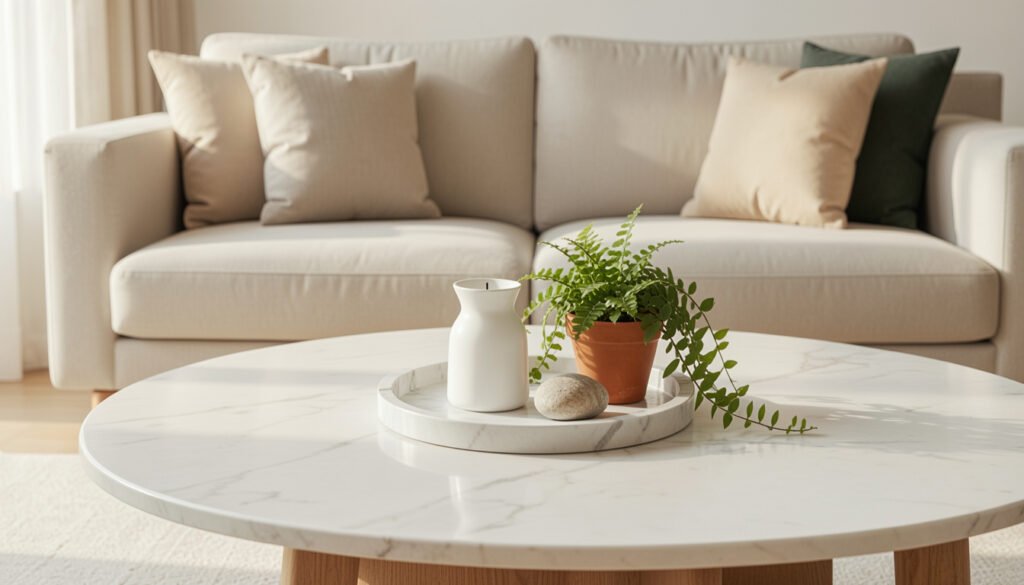
The grouping principle is the second essential element of expensive looking surface styling. Objects arranged in small intentional groupings of two or three items create a sense of curatorial intention that individual objects placed randomly never achieve. A candle, a small ceramic object, and a trailing plant grouped together on a wooden tray create a styled vignette that looks genuinely considered and expensive. The same three objects placed randomly at different points on the same surface look unintentional and chaotic.
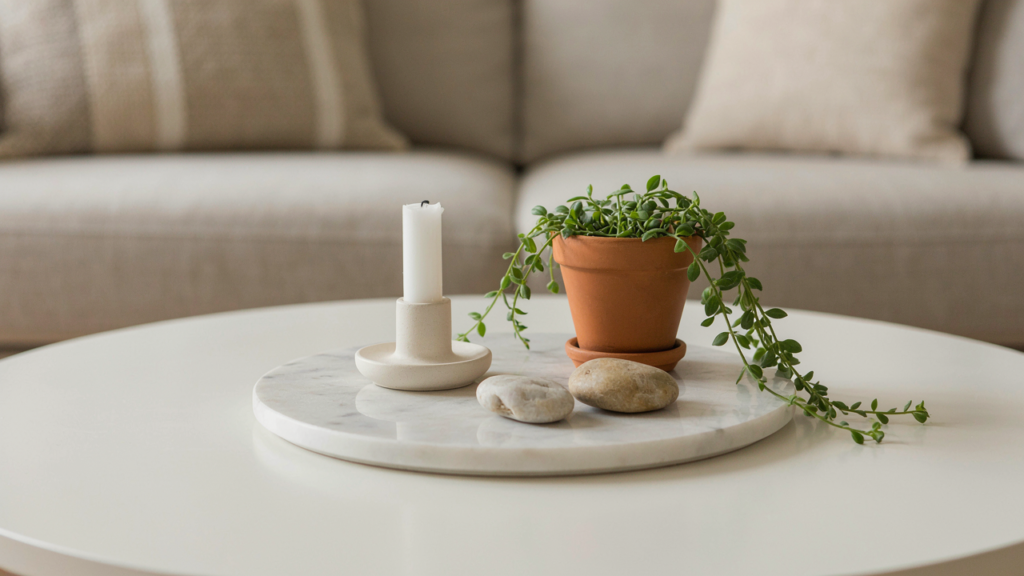
Pro Tip: Use trays consistently across every styled surface in your home. A tray defines the boundary of a styled grouping and gives it a contained, intentional quality that loose objects on an open surface can never achieve. It also makes cleaning and moving the grouping significantly easier, which means the styling is more likely to be maintained over time rather than gradually dissolving back into clutter.
10: Use Plants and Natural Elements as Luxury Decor
The most expensive looking homes in 2026 share a quality of organic life and natural abundance that is impossible to achieve with manufactured decor alone. Plants, natural stones, dried botanicals, wooden objects, ceramic vessels, and foraged natural elements all contribute a quality of genuine, living beauty that elevates a home far beyond what its budget would otherwise suggest. And the most beautiful part of this approach is that many of the most impactful natural elements are either very affordable or completely free.
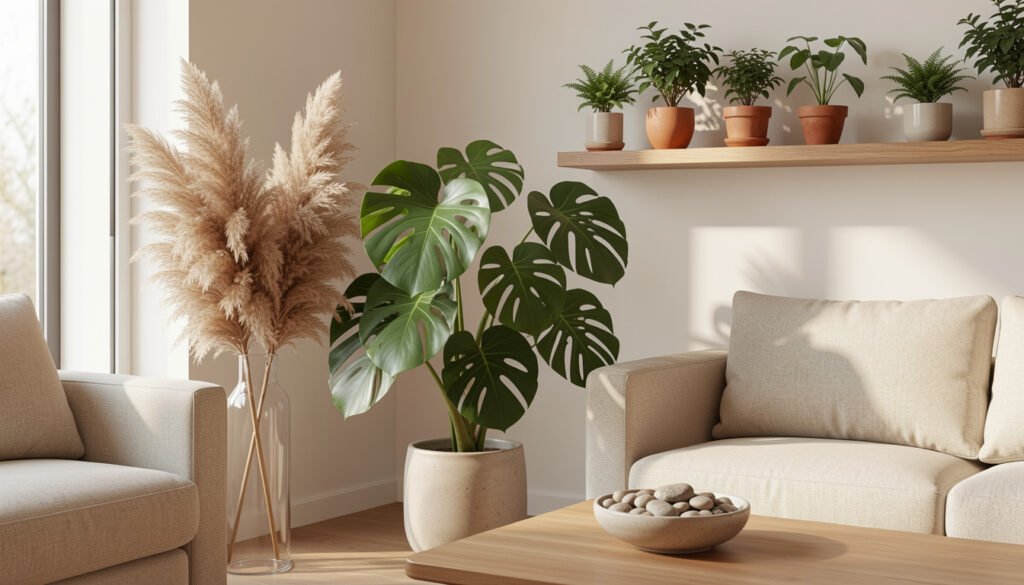
A single large, healthy, beautifully potted plant in the right corner of a room does more for the perceived luxury and quality of that space than almost any purchased decor item at any price point. The combination of lush green foliage, a beautiful ceramic or rattan vessel, and the organic sculptural form of a well grown plant creates a focal moment of genuine natural luxury that immediately communicates that this is a home where living things are valued and cared for.
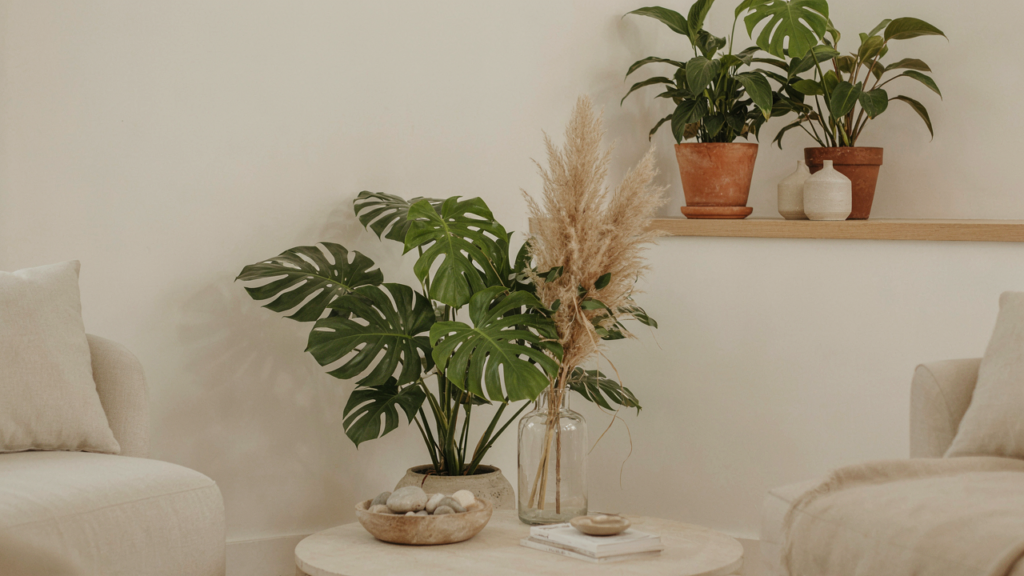
Pro Tip: Group natural elements together in curated arrangements rather than placing them individually throughout the space. A cluster of three plants at varying heights beside a bowl of smooth stones beside a simple dried botanical arrangement creates a genuinely luxurious natural display that has the richness and depth of a considered collection rather than the sparse quality of individual items placed in isolation.
Final Thoughts
Looking Expensive Has Nothing to Do With Spending a Lot
This blog has made one argument consistently across ten ideas and that argument is simply this. The qualities that make a home look genuinely expensive, cohesion, intention, natural materials, good lighting, careful editing, and the presence of living things, are not qualities that money buys. They are qualities that thoughtfulness produces. And thoughtfulness is available to absolutely everyone regardless of what they have available to spend on their home.
The homes that impress most consistently are almost never the ones where the most was spent. They are the ones where every decision was made with clarity and purpose, where the palette was chosen deliberately and followed consistently, where surfaces were edited rather than accumulated, where natural fabrics replaced synthetic ones not because of budget but because of taste, and where the lighting was considered carefully enough to create a quality of warmth and intimacy that makes every room feel genuinely beautiful at every hour of the day.
What this approach requires is not money but discipline. The discipline to choose one genuinely beautiful statement piece rather than five mediocre ones. The discipline to edit a surface down to three objects rather than filling it with everything that could fit. The discipline to stick to a color palette when something outside it tempts you. The discipline to invest in one large piece of art rather than covering walls with many small ones. These are not financial disciplines. They are aesthetic ones and they are entirely within the reach of anyone who decorates with genuine intention.
Take one idea from this list and apply it to your home this week. See the difference it makes not just to how the space looks but to how it feels to live in. Then take another. And another. Each intentional decision builds on the last until the cumulative effect is a home that genuinely looks expensive, genuinely feels considered, and genuinely reflects the quality of your taste rather than the size of your budget.